7 min read
How to Outsource IT Services: A Practical Guide for SMEs
By: Ranveer Sangha 28 May 2026, 15:58:15
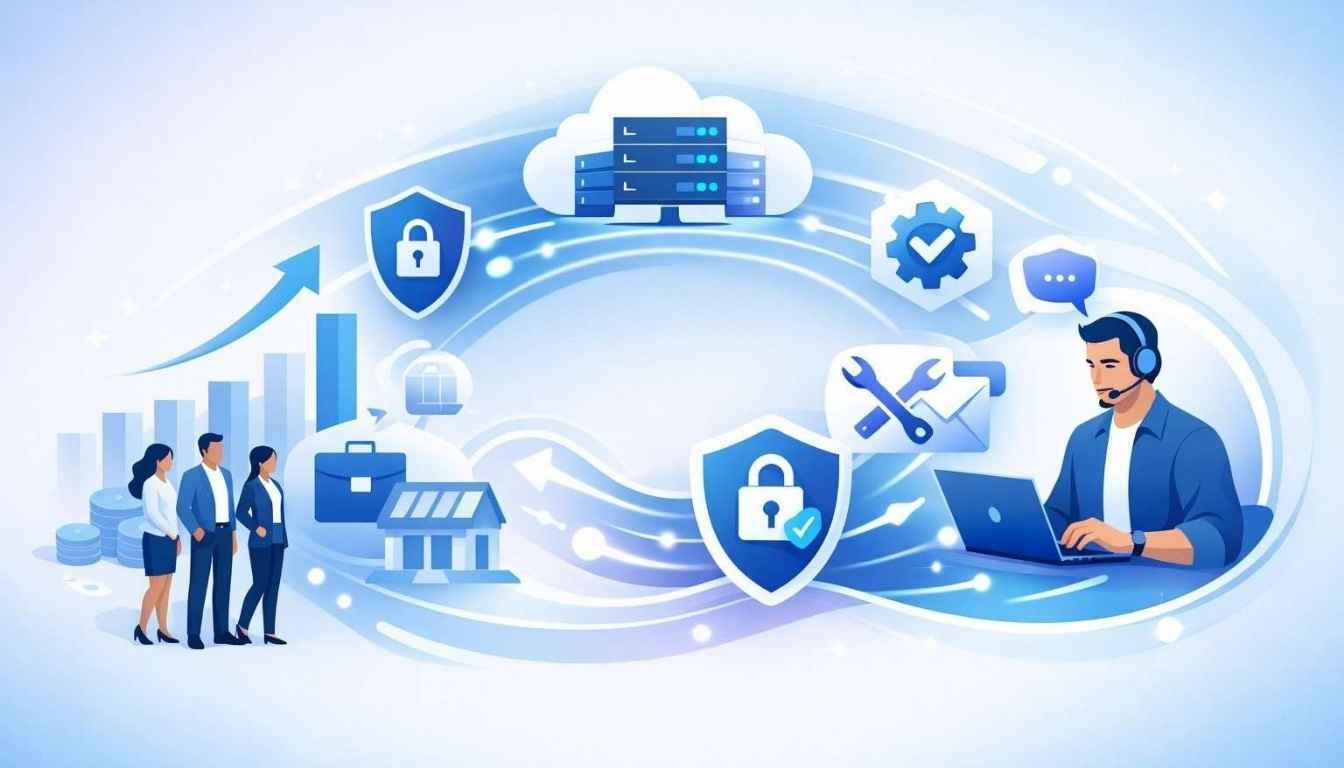
Technology is now central to almost every part of modern business operations. From communication and collaboration to cyber security, cloud services, and customer service, businesses rely heavily on IT systems to stay productive and competitive.
But as technology environments become more complex, many SMEs find that managing IT internally becomes difficult to scale. Internal IT teams are often stretched across support services, infrastructure management, cyber security, software updates, and ongoing projects, leaving little time for strategic improvements.
That is why more companies outsource IT services.
Done properly, IT outsourcing can help businesses improve service quality, reduce costs, gain access to specialised expertise, and create a more reliable and secure technology environment.
In this guide, we explain how to outsource IT services successfully, the key benefits businesses should consider, and how to choose the right outsourced IT provider for long-term business growth.
Why More Companies Outsource IT Services
Technology demands continue to grow for SMEs. Businesses are expected to support hybrid working, maintain secure cloud infrastructure, manage growing cyber security risks, and deliver reliable tech support across the organisation.
At the same time, recruiting and retaining skilled IT professionals can be expensive, particularly for smaller businesses without a large in house IT department.
As a result, many businesses are turning to outsourced services to improve operational efficiency while maintaining control over costs.
Some of the most common reasons companies outsource IT services include:
- Reducing pressure on the internal IT team
- Accessing specialised expertise
- Improving service quality
- Strengthening data security
- Reducing downtime
- Lowering labour costs
- Improving system performance
- Supporting business growth
- Gaining access to proactive monitoring and infrastructure monitoring tools
- Improving cloud management and cyber security capabilities
For many SMEs, outsourcing services provides access to a wider range of technical support and specialist knowledge than would be practical to maintain internally.
What IT Services Can Be Outsourced?
Businesses can outsource a wide range of actual IT services depending on their operational requirements and internal capabilities.
Common outsourced IT support services include:
- Service desk and desk support
- Technical support
- Network support
- Infrastructure management
- Cloud management
- Cloud infrastructure support
- Cyber security services
- Data management
- Infrastructure monitoring
- Backup and disaster recovery
- Software development
- IT strategy and consultancy
- Device management
- Support team augmentation
Some businesses fully outsource their IT functions, while others use outsourced IT support alongside an existing IT team or internal IT department.
The right outsourcing arrangement depends on the size of the business, existing IT infrastructure, business objectives, and the level of support required.
Signs Your Business May Be Ready for IT Outsourcing
Many businesses do not consider IT outsourcing until recurring problems begin affecting productivity and business operations.
Common warning signs include:
Your Internal IT Team Is Overstretched
Small in-house teams often spend most of their time reacting to support requests rather than focusing on strategic improvements or risk management.
IT Problems Are Affecting Productivity
Recurring downtime, slow systems, and unreliable support services can impact employees across the business and reduce operational efficiency.
Cyber Security Risks Are Increasing
As cyber threats continue to evolve, many SMEs lack the specialist knowledge required to maintain effective security measures and ensure data security.
Your IT Costs Are Becoming Unpredictable
Managing infrastructure, software licences, support provider costs, and staffing internally can quickly become expensive without delivering the expected service quality.
You Need Access to More Specialist Expertise
Many businesses outsource IT services to gain access to specialist knowledge and support partner expertise that would otherwise be difficult or costly to recruit internally.
How to Outsource IT Services Successfully
1. Assess Your Current IT Challenges
Before approaching outsourcing providers, it is important to understand where your current setup is falling short.
This may include:
- Slow support response times
- Poor system performance
- Limited cyber security capabilities
- Lack of proactive monitoring
- Gaps in cloud management
- Limited strategic planning
- Recurring technical support issues
A clear understanding of your business objectives and operational challenges will help you identify the right outsourcing company for your needs. It's essential to define clear goals and expectations before outsourcing to ensure that the selected provider aligns with the company's strategic objectives.
2. Decide Which IT Functions to Outsource
Not every business needs a fully managed IT service.
Some organisations only outsource specific IT functions such as:
- Service desk support
- Cloud services
- Cyber security
- Software development
- Infrastructure management
- Data storage and backup solutions
Others require a fully managed outsourced IT provider to oversee all day-to-day IT operations.
The level of support varies based on your existing IT team, internal resources, and long-term business requirements.
3. Look Beyond Cost Savings Alone
Cost savings are often among the biggest drivers of IT outsourcing, but businesses should avoid choosing providers solely on the basis of lower cost.
The cheapest support provider may not deliver the service quality, proactive monitoring, or strategic guidance required to properly support your business.
Instead, evaluate providers based on:
- Proven track record
- Technical support capabilities
- Cyber security expertise
- Infrastructure monitoring tools
- Service level agreement (SLA) quality
- Dedicated account manager availability
- Industry insights
- Scalability
- Communication and responsiveness
A good outsourced IT provider should support both day-to-day business processes and long-term business growth.
4. Understand Their Cyber Security and Data Security Approach
Cyber security should be central to any outsourcing arrangement.
Businesses should ensure outsourcing agreements clearly define:
- Security measures
- Backup responsibilities
- Data management processes
- Risk management procedures
- Access controls
- Incident response processes
- Compliance support
As more businesses adopt cloud infrastructure and outsourced services, ensuring data security becomes increasingly important.
A reliable external provider should take a proactive approach to protecting your IT infrastructure rather than simply reacting to problems after they occur.
5. Review the Onboarding and Support Process
One of the biggest concerns businesses have around IT outsourcing is disruption during the transition.
A professional outsourcing company should have a clear onboarding process that includes:
- Reviewing the existing IT infrastructure
- Assessing system performance
- Identifying security risks
- Documenting business processes
- Creating an outsourcing contract and transition plan
- Testing backup and recovery procedures
- Providing ongoing support and communication
Strong outsourcing relationships are built on transparency, planning, and reliable support from the beginning.
Common IT Outsourcing Mistakes Businesses Make
Choosing Providers Based Only on Lower Labour Costs
While outsourcing can help save costs, focusing only on lower labour costs may lead to poor support services, weak communication, and increased hidden costs later.
Ignoring Strategic IT Planning
IT outsourcing should support wider business objectives, not simply provide reactive tech support.
Failing to Clarify Service Expectations
Businesses should clearly define support expectations, service level agreements, escalation procedures, and responsibilities within outsourcing agreements.
Overlooking Scalability
Your support provider should be able to scale services as the business grows and technology requirements evolve.
Not Reviewing Existing IT Infrastructure Properly
Without properly assessing the existing IT infrastructure, businesses risk carrying existing problems into the new outsourcing arrangement.
Outsourced IT vs In House IT Teams
For many SMEs, outsourced IT support provides a more cost effective alternative to building a larger internal IT team.
An outsourced IT provider can often offer:
- Broader specialised expertise
- Better infrastructure monitoring
- Dedicated support teams
- Access to cloud services expertise
- Improved operational efficiency
- Proactive monitoring
- Stronger cyber security capabilities
- More predictable support costs
However, some larger businesses still maintain an in-house team alongside outsourced support services for additional flexibility and specialist support.
The right outsourcing model depends on the organisation’s size, operational complexity, and long-term IT strategy.
Key Benefits of Outsourcing IT Services
When managed effectively, the key benefits of IT outsourcing can include:
- Improved service quality
- Better cost efficiency
- Reduced downtime
- Stronger cyber security
- Access specialised expertise
- More reliable technical support
- Better infrastructure management
- Improved system performance
- Greater scalability
- Better support for business growth
- More predictable IT spending
- Access to industry insights and specialist knowledge
For many SMEs, outsourcing IT services allows internal teams to focus more time on core business operations rather than ongoing technology issues.
Final Thoughts
IT outsourcing is no longer just about reducing costs. For many SMEs, it has become a practical way to improve service quality, strengthen cyber security, support business growth, and gain access to specialist expertise without significantly increasing internal overheads.
The key is choosing the right outsourced IT provider.
Businesses should focus on finding a support partner with a proven track record, strong technical expertise, proactive support services, and a clear understanding of their business objectives.
With the right outsourcing relationships in place, businesses can create a more secure, scalable, and efficient IT environment that supports long-term operational success.
Looking to Outsource Your Business's IT?
Get a clearer understanding of your current IT risks, support gaps, and opportunities for improvement with our free IT & Cyber Risk Assessment.
Book your free assessment today and see how your business could benefit from more reliable, secure, and proactive IT support.
OR
Related Posts
5 Reasons Why Businesses Need an IT Strategic Plan - Superfast IT
What is an IT strategic plan?
An IT strategic plan is a document that sets out an organisation's...
Here's What Seneca Would Say About Cybersecurity - Superfast IT
Seneca, a wise Roman philosopher, once observed: "So it is that soldiers practice manoeuvres in...
Helping Black Country Foodbank - Superfast IT
Wishing everyone a Merry Christmas and a Happy New Year!Thank you for being a part of the Superfast...